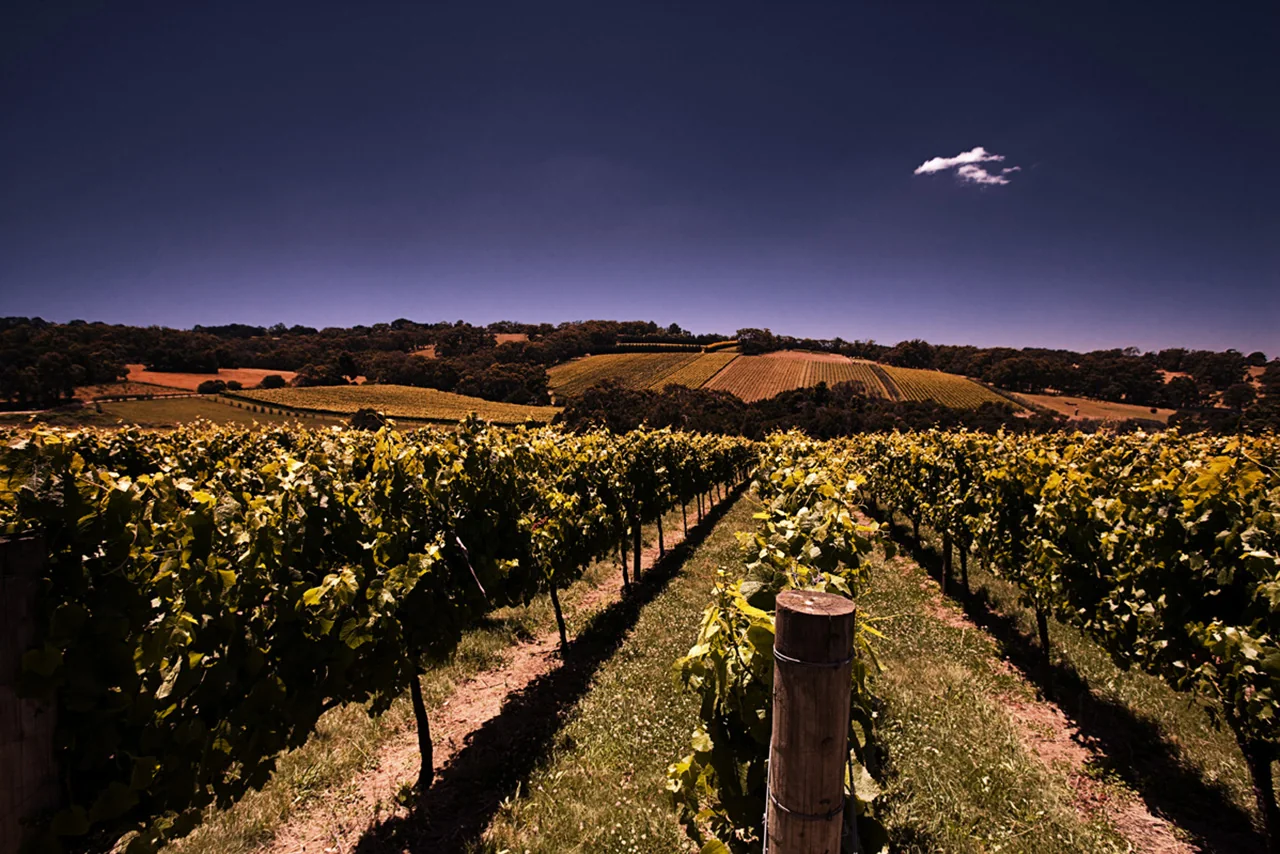
A good wine shoot does more than make a bottle look beautiful. It connects product, provenance, people, place and hospitality—and delivers enough variety to keep marketing useful long after production day.
The strongest result starts with commercial decisions, not a list of attractive pictures. Use this guide to shape the brief before dates, crew and locations are locked in.
1. Start with the business objective
Define the job the imagery must do. A new label launch, a cellar-door campaign, a tourism partnership and a wholesale presentation each need a different emphasis.
Write one primary objective
Use a direct sentence such as: “Help visitors understand that our winery is a premium weekend destination,” or “Give trade and media a complete image library for the new range.” This becomes the test for every scene on the shot list.
List the channels before the shots
- Website hero banners, service pages and booking pages
- Campaign advertising, trade presentations and PR
- Instagram, LinkedIn, short-form vertical video and email
- Tourism listings, event promotion and partner content
- Packaging, point of sale and distributor requirements
2. Plan a library, not isolated hero shots
Build the shot list in connected groups. That creates visual consistency and lets one setup supply several marketing needs.
Product
Include the full range, priority bottles, label and closure details, groupings, serving moments and any packaging that matters to the launch.
Place
Cover the vineyard, winery architecture, cellar, barrel room, cellar door, restaurant, accommodation and wider regional context. Photograph both signature views and functional details that explain the experience.
People and process
Identify the winemaker, owners, viticulture team, chefs and front-of-house staff who help make the brand credible. Plan real activities rather than generic portraits wherever possible.
Hospitality
Show how the wine is chosen, poured and enjoyed. Food pairing, table settings, guest arrival and service make the bottle part of a complete experience.
Motion
Flag scenes with natural movement: vineyard work, cellar activity, opening and pouring, cooking, service, landscape and conversation. These are strong foundations for brand film sequences and short social edits.
3. Prepare the winery before production day
Preparation protects creative time. Assign one decision-maker who can approve styling, move priorities and answer product questions on the day.
- Supply pristine bottles, labels, closures, packaging and backups.
- Choose glassware, linen, plates, props and serving temperatures.
- Clean and stage priority spaces without making them feel artificial.
- Confirm people, wardrobe guidance and appearance permissions.
- Check vineyard condition, seasonal colour and operational activity.
- Identify power, access, safety, drone and weather constraints.
- Share brand guidelines, layouts and previous campaign examples.
4. Build the day around light, operations and resets
Landscape and exterior work often depends on early or late light. Food, bottle and interior scenes need preparation time. People have limited availability, and active winery operations cannot always pause.
Group scenes by location and setup, but protect the moments that are light- or people-dependent. Include transition time, styling, bottle preparation, meal resets, equipment moves and a weather alternative.
5. Define delivery before the shoot
Agree what “finished” means so the production is designed around real outputs. Confirm the number and type of images, film lengths, social versions, orientation, caption or credit requirements, delivery timing and usage.
Ask your designer, agency, publicist and tourism partners what they need before finalising the brief. Their input can reveal important crops or formats that are inexpensive to capture on the day and costly to recreate later.
6. The briefing checklist
- Objective: What business result should this production support?
- Audience: Who needs to choose, visit, stock or remember the brand?
- Channels: Where will the photography and video appear?
- Priorities: Which products, places, people and experiences matter most?
- Deliverables: Which formats, orientations, lengths and deadlines are required?
- Logistics: What affects access, timing, weather, operations or travel?
- Usage: Where, for how long and by which partners will the work be used?
- Success: How will the team know the visual library is doing its job?
A concise brief does not limit creativity. It gives the production team enough clarity to solve the right commercial problem—and enough room to recognise unexpected opportunities on location.